


ISD - Our Story
The Institute for Social Democracy (ISD), founded in 2004 by the late Dr. Khurshid Anwar, nurtures spaces of dialogue, dignity and diversity through its concept of Composite Heritage — our shared heritage and traditions, cultural expressions, and ways of living that bring people together across diverse identities. Rooted in this vision, ISD is working closely with organizations and communities to rediscover and celebrate these shared cultural threads through workshops, dialogues, and community-led initiatives, fostering a sense of belonging and mutual respect.
ISD is deepening this approach by weaving in the theme of climate action into its programmes. Recognizing that environmental challenges are closely linked with everyday life and cultural practices, ISD’s work explores how traditional knowledge, local practices, and shared heritage can guide more sustainable ways of living. Through its initiatives, the organisation engages with the interconnected aspects of community life—such as gender, health, education, and the leadership of youth and women—ensuring that its climate action approaches are inclusive, locally rooted, and responsive to diverse needs.
ISD continues to create meaningful spaces where communities can reflect, adapt, and act collectively. Through youth groups, women’s collectives, and children’s engagement, ISD nurtures a shared sense of responsibility and care—towards both people and the environment—strengthening pathways for a more inclusive, balanced, and harmonious future.
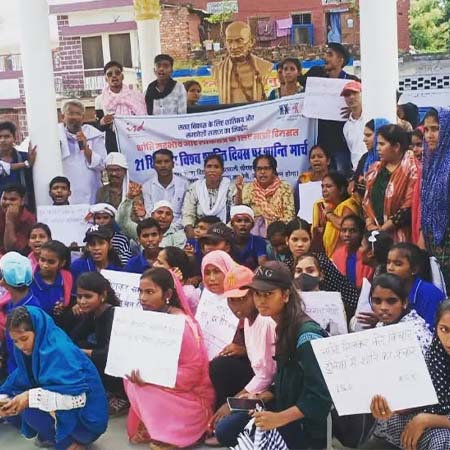
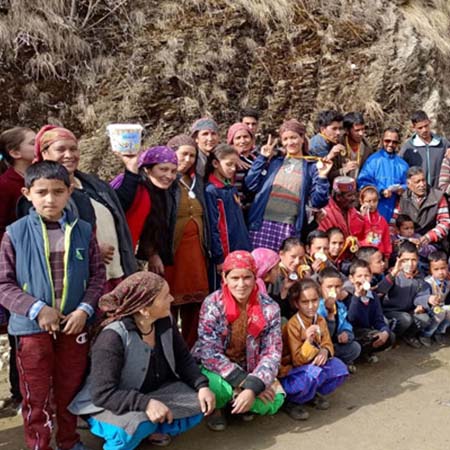
Who Are We?
Institute for Social Democracy (ISD) was founded in 2004 in response to the violent conflicts that have plagued South Asia for decades.
Our vision is rooted in the principles of Peace, Harmony, and Democracy, aimed at protecting and empowering the thousands of men, women, and children affected by unrest and violence.
Founded by the late Dr. Khurshid Anwar, ISD works to build a society where equality, respect for diversity, and equal social and political rights are foundational values. Inspired by human dignity and collective strength, we strive to transform conflict and prevent violence through inclusive, grassroots engagement.
At ISD, we use two core frameworks:
Composite Heritage
A peace-building approach that emphasizes shared cultural values.
LCP & DNH
Local Capacities for Peace (LCP) using the Do No Harm (DNH) approach.
How It Works?
- Composite Heritage – a peace-building approach that emphasizes shared cultural values, traditions, and community memory that cut across religion, caste, and gender. It belongs to everyone — making it an effective tool to connect people and reduce tension.
- Local Capacities for Peace (LCP) using the Do No Harm (DNH) approach – an analytical framework that helps us understand conflict dynamics and the impact of our interventions, ensuring our actions support local peace-building rather than unintentionally worsen tensions.
Find out everything you need to know and more about how we create our business process models.
We conduct orientation workshops, training of trainers (ToTs), and field interventions that help communities, activists, students, and local institutions engage meaningfully with these concepts. We believe peace begins at the local level, and that transformation starts through dialogue, understanding, and shared identity.
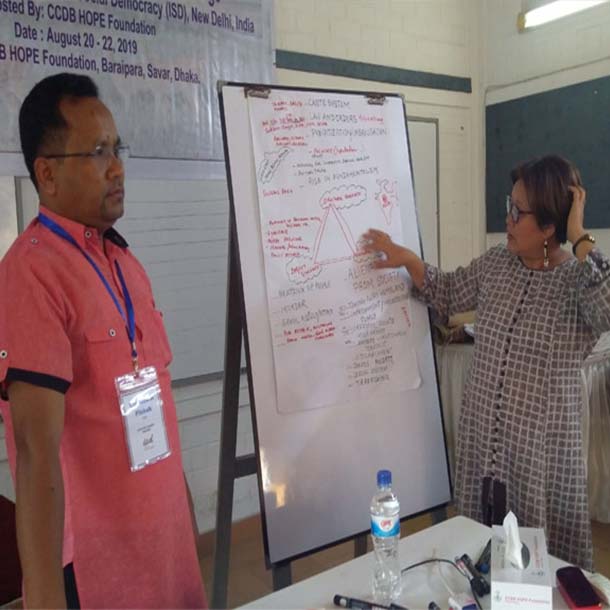
What We Aim For
We envision an inclusive society where mutual respect, justice, democratic values, and
shared heritage foster belonging and collective strength. Our work strengthens social cohesion by creating
spaces for dialogue and community participation.
Through community-led initiatives such as celebrating local and folk festivals like Posh Phullai, Harela,
and Tusu; reviving heritage traditions including Pattu weaving, Dona Pattal, Jangeet, Naati, the Gudiya
Festival, and Kajri; and promoting locally grown organic grains and pulses such as Mudwa and Bhatt, we
strengthen the cultural bonds that connect people and reinforce a shared sense of identity and belonging.
7518
Completed Campaign
3472
Satisfied Doners
184
Expert Employees
523
Awards Won
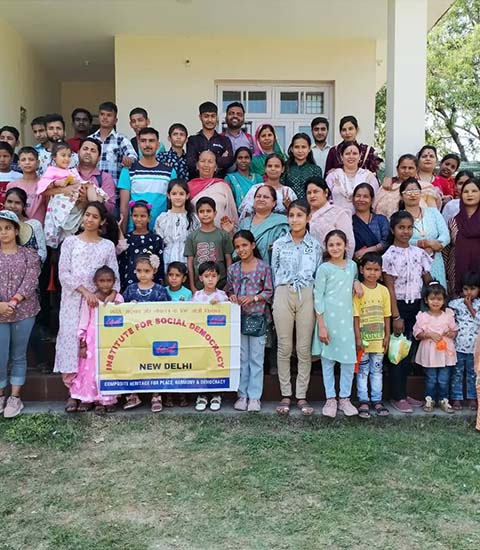
Convinced yet? Let's make something great together.
Address
INSTITUTE for SOCIAL DEMOCRACY Flat No. 110, Numberdar House, 62-A, Laxmi Market, Munirka, New Delhi-110067Phone
091-11-26177904
091-11-26177904